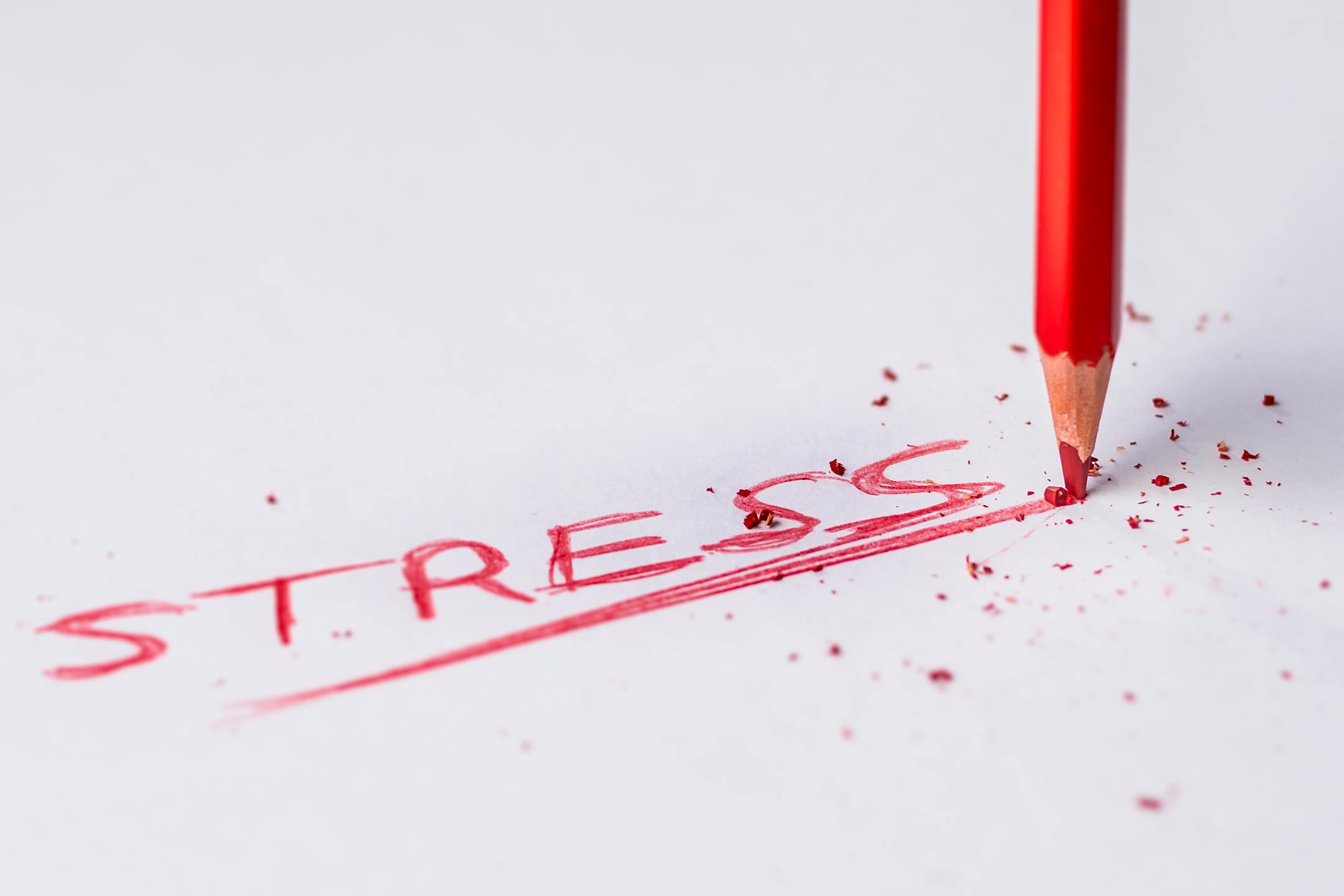
Why Emotional Resilience Matters
Resilience isn’t about avoiding stress—it’s about adapting to it effectively. Research shows that individuals with higher emotional resilience experience lower anxiety, improved cognitive function, and greater overall well-being.
Key components of resilience training include:
✅ Gratitude Journaling – Writing down daily moments of gratitude rewires the brain for positivity and strengthens emotional endurance.
✅ Cognitive Reframing – Shifting perspectives on stressors helps individuals see challenges as opportunities rather than threats.
✅ Social Support Systems – Strong relationships act as a buffer against stress, improving emotional regulation and recovery.
Companies are now integrating resilience training into workplace wellness programs, recognizing that mentally strong employees are more engaged, productive, and adaptable.
Work-Life Integration: A Smarter Approach to Well-Being
The traditional idea of work-life balance—strict separation between work and personal life—is being replaced by work-life integration. Instead of rigid boundaries, people are designing lives that allow for fluid transitions between work and rest.
🔄 Flexible schedules – Employees are prioritizing autonomy over fixed hours, leading to better mental health and productivity.
🌿 Midday resets – Short breaks for movement, mindfulness, or social connection help sustain energy throughout the day.
⚡ Recovery as a priority – Rest is no longer seen as a luxury but as a necessary component of peak performance.
Companies embracing work-life integration report higher employee satisfaction and retention, proving that well-being and productivity can coexist.
The Future of Sustainable Well-Being
Emotional resilience and work-life integration aren’t just trends—they’re essential shifts in how we approach health, productivity, and fulfillment. Whether you’re an individual seeking better stress management or an organization looking to support employees, these strategies offer a science-backed path to long-term success.
Want help integrating resilience training or work-life integration strategies into your wellness programs? Let’s explore how to make them work for you.
#EmotionalResilience #WorkLifeIntegration #StressManagement #HolisticWellness #MindsetShift #ProductivityWithoutBurnout #WellnessTrends2025
Sources: