
Website designed with the B12 website builder. Create your own website today.
Start for free
In the quest for optimal performance, a well-structured diet plan is essential for athletes at every level, from weekend warriors to seasoned competitors. The power building diet stands as a versatile and effective strategy designed to enhance strength, muscle mass, and overall performance. By prioritizing nutrient-dense foods and balancing macronutrients, this diet equips athletes with the energy and recovery necessary to excel in their training and competitions. Whether you're aiming to gain muscle or improve endurance, understanding the essentials of a well-rounded diet plan can set the foundation for greater athletic achievement.
This blog post delves into the key components of a power building diet that can cater to the diverse needs of athletes, showcasing how to optimize your nutrition for peak performance. We’ll explore practical advice tailored for the unique requirements of a diet plan for athlete in us all, along with meal ideas that are not only nutritious but also enjoyable. With the right dietary approach, you can unlock your full potential and elevate your performance, no matter your fitness goals.
Understanding the essentials of a diet plan for athlete in us all
A diet plan for athlete in us all requires a solid understanding of nutritional needs that support performance, recovery, and overall health. Athletes, regardless of their level, need a balanced intake of macronutrients—carbohydrates, proteins, and fats—to fuel their workouts and aid muscle repair. Carbohydrates are crucial for providing energy, while proteins play a significant role in muscle growth and recovery. Healthy fats contribute not only to energy levels but also to hormone production and joint health.
Moreover, hydration is a key factor in any diet plan for athlete in us all. Staying adequately hydrated improves performance, reduces the risk of injury, and enhances recovery. In addition to tracking macronutrients, micronutrients such as vitamins and minerals cannot be overlooked. These nutrients support immune function, bone health, and overall well-being. By prioritizing both macronutrients and micronutrients, athletes can optimize their diet and ensure they are well-prepared for any physical challenge.
Key components of a power building diet for optimal performance
A power building diet focuses on maximizing muscle growth and strength while maintaining a lean physique. To achieve this, athletes should prioritize a balanced intake of macronutrients: proteins, carbohydrates, and fats. Proteins serve as the building blocks for muscle repair and growth, so aim for high-quality sources such as lean meats, fish, eggs, and plant-based proteins like legumes and tofu. Carbohydrates provide the necessary energy for intense workouts, making complex carbohydrates from whole grains, fruits, and vegetables essential for sustaining performance. Healthy fats, including avocados, nuts, and olive oil, support hormone production and overall health, contributing to optimal athletic performance.
In addition to macronutrients, hydration plays a crucial role in a power building diet. Staying well-hydrated enhances physical performance, promotes recovery, and prevents fatigue. Athletes should aim to drink plenty of water throughout the day, paying special attention to fluid intake before, during, and after workouts. Micronutrients, such as vitamins and minerals, also support bodily functions and should not be overlooked. Incorporating a variety of colorful fruits and vegetables into your meals will help ensure you get a diverse range of nutrients. By focusing on these key components, athletes can build a well-rounded diet plan that fuels their training and maximizes their performance capabilities.
Tailoring your diet plan for athlete in us all: Practical tips and meal ideas
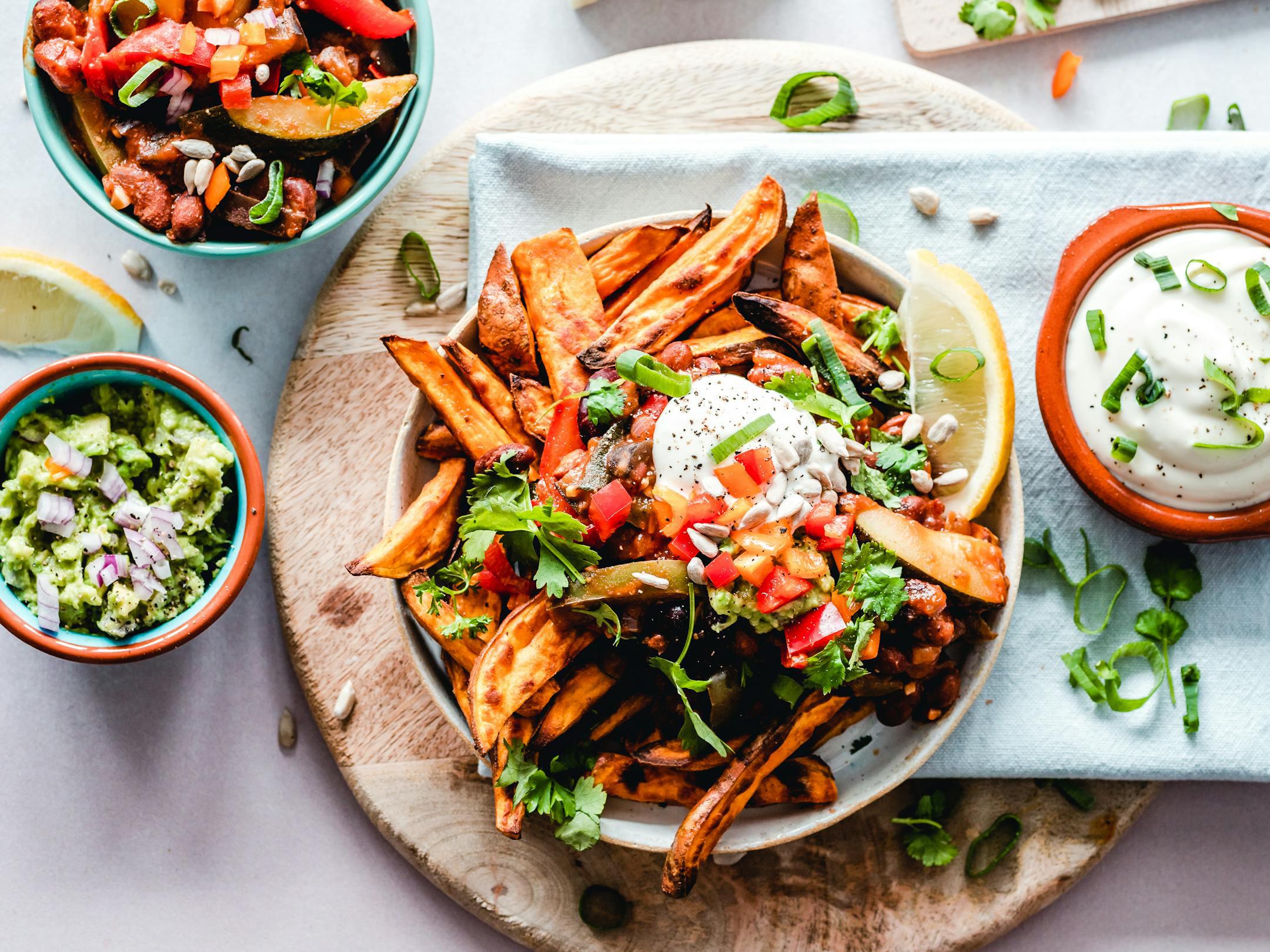
To create a diet plan for athlete in us all, focus on high-quality, nutrient-dense foods that fuel your workouts and promote recovery. Start by incorporating lean proteins such as chicken, fish, and plant-based options like lentils and chickpeas. These protein sources are essential for muscle repair and growth. Pair them with complex carbohydrates like quinoa, sweet potatoes, and brown rice to provide sustained energy during training sessions. Furthermore, don’t forget to include a variety of colorful fruits and vegetables. They are rich in vitamins, minerals, and antioxidants that support overall health and enhance performance.
To optimize your diet plan for athlete in us all, consider meal prepping and planning your days ahead. This practice not only saves time but also ensures you stick to your nutritional goals. Create balanced meals by combining protein, carbohydrates, and healthy fats, such as avocado and nuts. Snack smartly by choosing options like Greek yogurt with berries or hummus with carrot sticks, which keep your energy levels steady throughout the day. Hydration is another critical aspect; aim to drink plenty of water, especially before, during, and after your workouts. By tailoring your diet to these guidelines, you're well on your way to achieving your performance goals and fueling your body effectively.