Understanding the Injury
The collarbone connects your shoulder to your sternum and plays a crucial role in upper body movement. When fractured, it typically requires immobilization for 3–6 weeks, followed by progressive physical therapy to restore function.
According to Healthgrades, most people can return to full activity within 12 weeks, though recovery time varies based on the severity of the fracture and whether surgery was required.
Phase 1: Immobilization & Pain Management (Weeks 0–3)
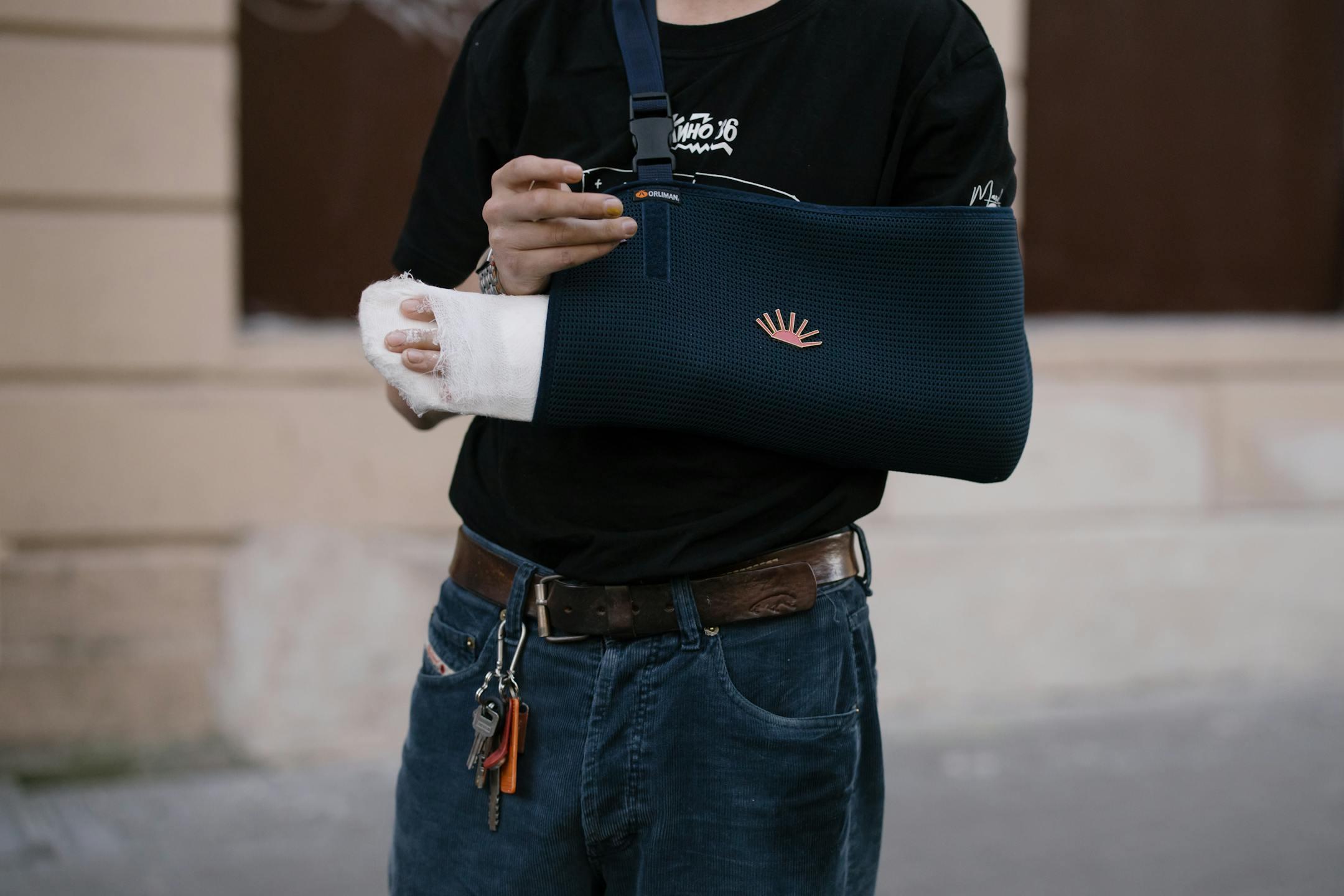
- Use a sling to support the arm and reduce movement
- Apply ice for 15–20 minutes, 3–4 times daily to reduce swelling
- Avoid lifting, reaching, or raising the arm until cleared by your doctor
- Manage pain with prescribed or over-the-counter medications
Tip: Maintain good posture while wearing the sling to prevent shoulder rounding and muscle imbalances.
Phase 2: Gentle Mobility & Range of Motion (Weeks 3–6)
Once cleared by your healthcare provider, you’ll begin gentle movement exercises to prevent stiffness and promote healing.
Start with:
- Wrist and elbow movements
- Shoulder blade squeezes
- Pendulum swings (letting the arm dangle and gently swing)
According to Kaiser Permanente, exercises like shoulder-blade squeezes and chest stretches help restore posture and reduce tension.
Phase 3: Strengthening & Functional Rehab (Weeks 6–12)
As healing progresses, your physical therapist will introduce strength-building exercises to restore muscle function and joint stability.
Recommended exercises include:
- Wall push-ups
- Resistance band rows
- Shoulder extensor stretches
- Light dumbbell work (only when cleared)
A study in Verywell Health emphasizes the importance of restoring full range of motion before progressing to resistance training.
Phase 4: Return to Activity (Week 12+)
Once your bone has healed and strength is restored, you can gradually return to normal activities. For athletes or active individuals, this phase may include sport-specific drills, balance work, and endurance training.
- Continue posture exercises to prevent future shoulder issues
- Monitor for pain or instability, and adjust intensity accordingly
- Stay consistent with mobility work to maintain flexibility
When to Seek Help
If you experience:
- Persistent pain beyond 12 weeks
- Numbness or tingling
- Difficulty lifting or rotating your arm
- Visible deformity or instability
…consult your orthopedic specialist or physical therapist.
Final Thoughts
Rehabbing a broken collarbone takes patience, consistency, and smart progression. With proper care, most people regain full function and strength. Because recovery is not just about healing the bone—it’s about restoring confidence in movement.
Would you like a printable rehab checklist or a beginner-friendly mobility routine to support your recovery? Let’s build a plan that works for you.
Sources:
- Verywell Health – Clavicle Fracture Rehab Exercises
- Kaiser Permanente – Collarbone Rehab Exercises
- Healthgrades – Broken Collarbone Recovery