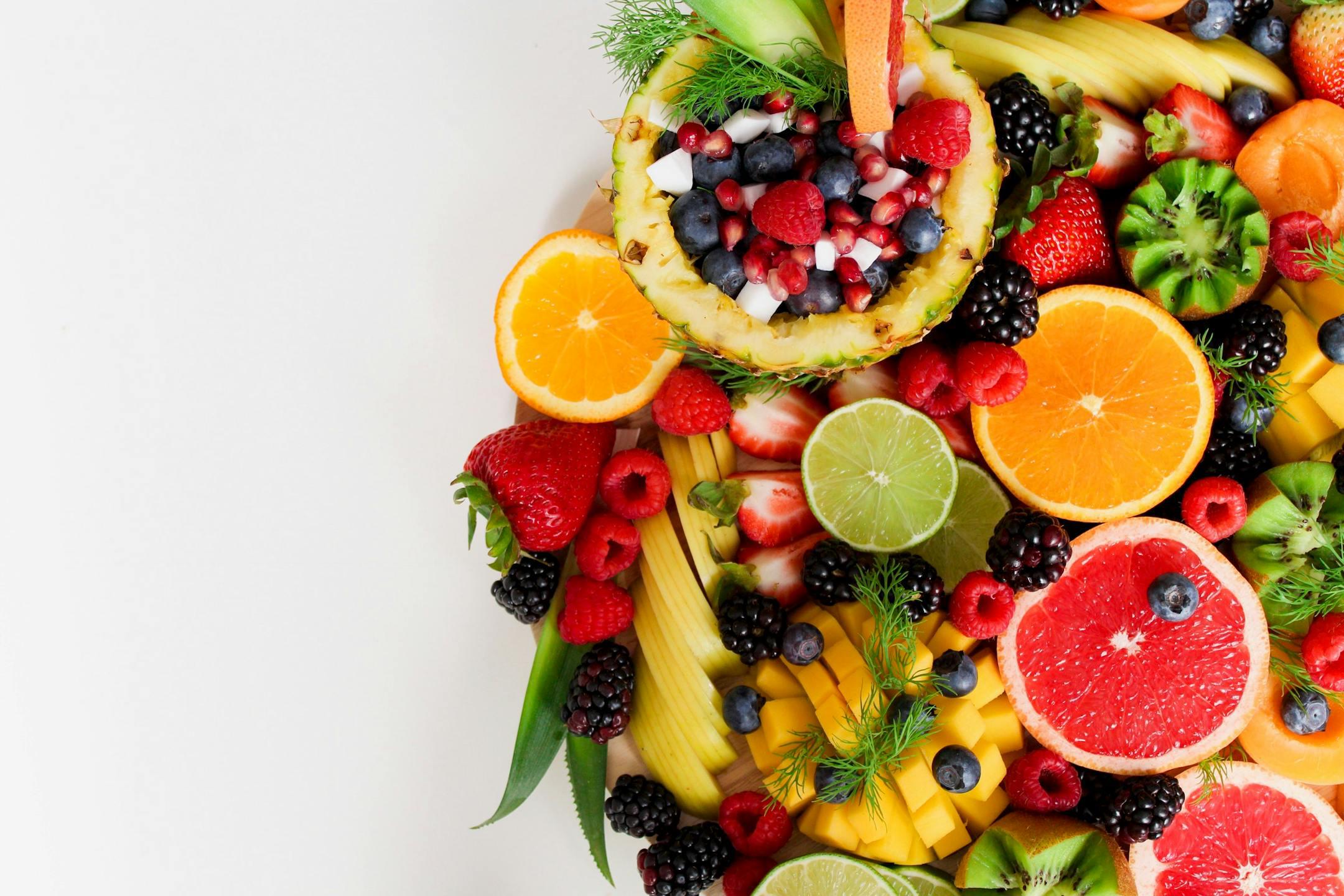
The Connection Between Stress & Nutrition
Your brain and gut are deeply connected through the gut-brain axis, meaning what you eat influences your mood, stress response, and emotional balance. Foods rich in healthy fats, antioxidants, vitamins, and minerals can support your nervous system, while processed foods, refined sugar, and caffeine may increase cortisol (stress hormone) levels.
By making simple swaps in your diet, you can reduce stress naturally and feel more in control.
Foods That Reduce Stress & Support Emotional Balance
1. Magnesium-Rich Foods (Calms the Nervous System)
Magnesium plays a huge role in relaxation, muscle function, and cortisol regulation. Many people don’t get enough, leading to heightened anxiety.
- Spinach
- Pumpkin seeds
- Avocados
- Almonds
- Dark chocolate (at least 70% cacao)
💡 Tip: Add a handful of pumpkin seeds to your salad for an easy magnesium boost.
2. Omega-3 Fatty Acids (Reduces Inflammation & Supports Brain Health)
Omega-3s reduce stress-related inflammation and improve mood by supporting serotonin levels.
- Fatty fish (salmon, sardines, mackerel)
- Walnuts
- Chia seeds
- Flaxseeds
- Hemp seeds
💡 Tip: Swap processed snacks for walnuts or flaxseed crackers to help your brain stay calm.
3. Complex Carbohydrates (Boosts Serotonin & Stabilizes Mood)
Carbs get a bad reputation, but complex carbs help balance blood sugar and encourage serotonin production—the brain’s natural mood stabilizer.
- Quinoa
- Sweet potatoes
- Brown rice
- Oats
- Lentils
💡 Tip: Replace white rice with quinoa for longer-lasting energy and mental stability.
4. Vitamin C-Rich Foods (Lowers Cortisol & Strengthens Immunity)
Vitamin C is a powerful antioxidant that reduces oxidative stress and helps regulate cortisol levels.
- Bell peppers
- Strawberries
- Oranges
- Kiwi
- Broccoli
💡 Tip: Blend up a smoothie with strawberries, kiwi, and spinach for a natural stress-relieving boost.
5. Herbal Teas (Calms the Nervous System & Encourages Relaxation)
Certain teas have natural compounds that help lower cortisol and relax your body.
- Chamomile (reduces anxiety)
- Green tea (contains L-theanine for calm focus)
- Peppermint (soothes digestion & tension)
- Lemon balm (lowers cortisol)
💡 Tip: Sip chamomile tea before bed for deep relaxation and better sleep.
Foods That Increase Stress & Should Be Limited
❌ Processed Sugar – Spikes blood sugar, leading to energy crashes and mood swings.
❌ Refined Carbs (White bread, pastries, fried foods) – Causes inflammation and fluctuating stress hormones.
❌ Excessive Caffeine – Overstimulates cortisol and leads to anxiety.
❌ Artificial Sweeteners – Can negatively impact gut health, which affects mood.
❌ Highly Processed Meats – Loaded with preservatives that may trigger inflammation.
💡 Tip: Instead of sugary snacks, reach for dark chocolate or fresh fruit to satisfy cravings while keeping your stress in check.
Final Thoughts: Fuel Your Mind for Stress Resilience
Your body and brain thrive when nourished with whole, nutrient-dense foods. By making intentional choices—eating magnesium-rich foods, omega-3s, and vitamin-packed meals—you can lower stress naturally and feel more emotionally balanced.
💡 Ready to optimize your nutrition for stress management? Fill out our contact form to get personalized guidance!