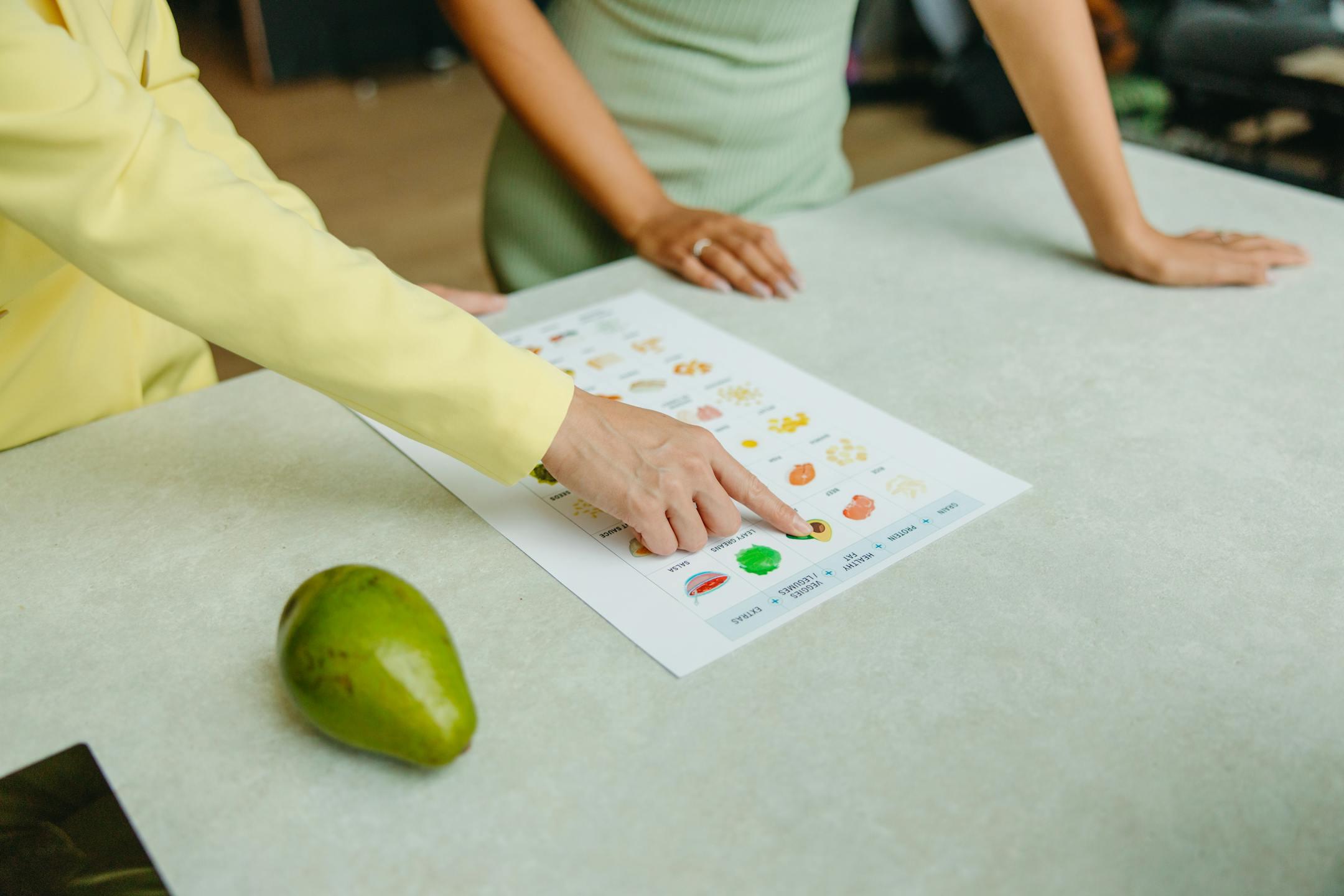
Let’s break down how tracking your meals can empower you to make smarter, healthier choices.
1. Awareness & Accountability
✅ Why It Works: Because writing down what you eat forces mindfulness, helping you recognize eating patterns and hidden habits.
✅ How It Helps: If you often feel sluggish after meals, reviewing your food log can reveal triggers—too much processed food, not enough protein, or irregular meal timing.
💡 Pro Tip: Use a food journal to track hunger cues and portion sizes, refining your approach to nutrition.
2. Identifying Nutrient Gaps
✅ Why It Works: Your body thrives on balanced nutrition, but without tracking, it’s easy to miss key nutrients like protein, fiber, or essential vitamins.
✅ How It Helps: A food log helps spot patterns—maybe you’re low on iron, missing healthy fats, or relying too much on refined carbs.
💡 Pro Tip: Write down how each meal makes you feel—energized or sluggish? This reveals whether your diet supports your optimal health and vitality.
3. Meal Planning Made Easy
✅ Why It Works: Because a food log shows trends, making it easier to plan balanced meals ahead of time.
✅ How It Helps: Instead of last-minute, unhealthy choices, tracking past meals gives you a blueprint for success—which foods fuel you best, keep cravings away, and sustain energy throughout the day.
💡 Pro Tip: Review your log weekly, then adjust meal prep based on your energy levels, hunger, and nutritional needs.
4. Supporting Fitness & Performance Goals
✅ Why It Works: Whether you’re building muscle, training for endurance, or focusing on recovery, tracking macronutrients (protein, carbs, fats) ensures alignment with fitness goals.
✅ How It Helps: A food log helps you fine-tune protein intake, balance carbs for energy, and optimize hydration for better workouts.
💡 Pro Tip: If strength training, use your log to check protein intake vs. recovery rate, adjusting portions accordingly.
5. Preventing Emotional & Impulse Eating
✅ Why It Works: Because when you pause to log a snack or craving, you become more conscious of emotional triggers.
✅ How It Helps: If stress or boredom leads to overeating, a food log helps spot trends—are certain emotions making you reach for sugar, caffeine, or processed food?
💡 Pro Tip: Pair food tracking with mood journaling to discover emotional eating patterns and healthier coping mechanisms.
Conclusion: Take Control of Your Health Today
Tracking your food intake isn’t about restriction—it’s about empowerment. A food log gives you clarity, control, and deep personal insight into how food affects your body, energy, and mood.
💡 Ready to start?
Set up a simple log today—whether on paper, an app, or a spreadsheet—and begin discovering patterns that elevate your health and performance.
DoJe Daily Food Log