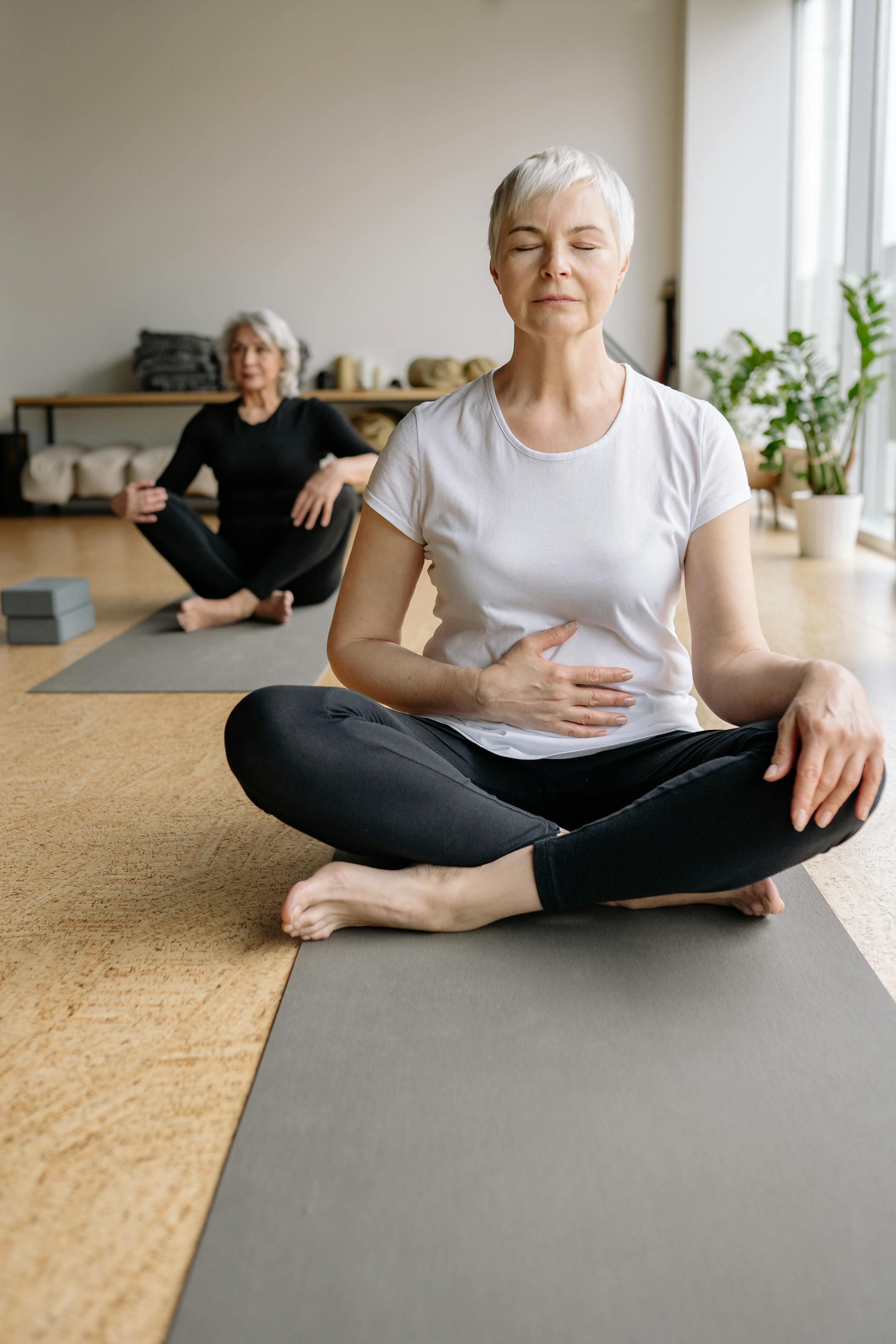
Let’s explore why longer exhales matter, how they engage the parasympathetic nervous system, and how you can use breathwork to feel calmer—starting now.
How Your Nervous System Responds to Breath
Your autonomic nervous system (ANS) controls involuntary functions like heart rate, digestion, and stress response. The ANS is split into two branches:
✔ Sympathetic Nervous System (Fight-or-Flight): Activated during stress, causing rapid heartbeat, muscle tension, and shallow breathing.
✔ Parasympathetic Nervous System (Rest & Digest): Promotes relaxation, lowers heart rate, and restores balance—but it requires a signal to activate.
💡 Long, slow exhales send that signal, shifting your body from fight-or-flight mode into relaxation mode.
Why Longer Exhales Reduce Stress
When you extend your exhale, something amazing happens:
✅ Vagus nerve stimulation – Your exhale activates the vagus nerve, immediately lowering heart rate and cortisol levels.
✅ Increased oxygen efficiency – Slow breathing allows more oxygen to reach your brain, improving focus and clarity.
✅ Mental and emotional reset – Deep breathing interrupts anxious thought patterns, helping you stay grounded.
Imagine turning off stress like flipping a switch—longer exhales make that possible.
Breathing Techniques for Instant Calm
💡 Try These: These simple techniques help regulate stress fast.
1. 4-7-8 Breathing (Best for Anxiety Relief)
✔ Inhale for 4 seconds
✔ Hold for 7 seconds
✔ Exhale for 8 seconds
💡 Repeat four times to quickly reset your nervous system.
2. Box Breathing (Great for Focus & Emotional Control)
✔ Inhale for 4 seconds
✔ Hold for 4 seconds
✔ Exhale for 4 seconds
✔ Hold for 4 seconds
💡 Ideal for stressful moments like meetings, exams, or difficult conversations.
3. Diaphragmatic Breathing (Most Effective for Long-Term Stress Management)
✔ Place one hand on your chest and the other on your belly.
✔ Inhale deeply through your nose, allowing your belly to rise.
✔ Exhale slowly, extending the breath longer than your inhale.
💡 Practice daily for stronger emotional resilience and stress relief.
Final Thoughts: Breathe Your Way to Calm
Stress is inevitable, but how you respond to it is within your control. Now is the perfect time to start using longer, mindful exhales to activate relaxation, reduce anxiety, and improve mental clarity.
💡 What’s one situation where breathwork has helped you feel calmer? Drop it in the comments!