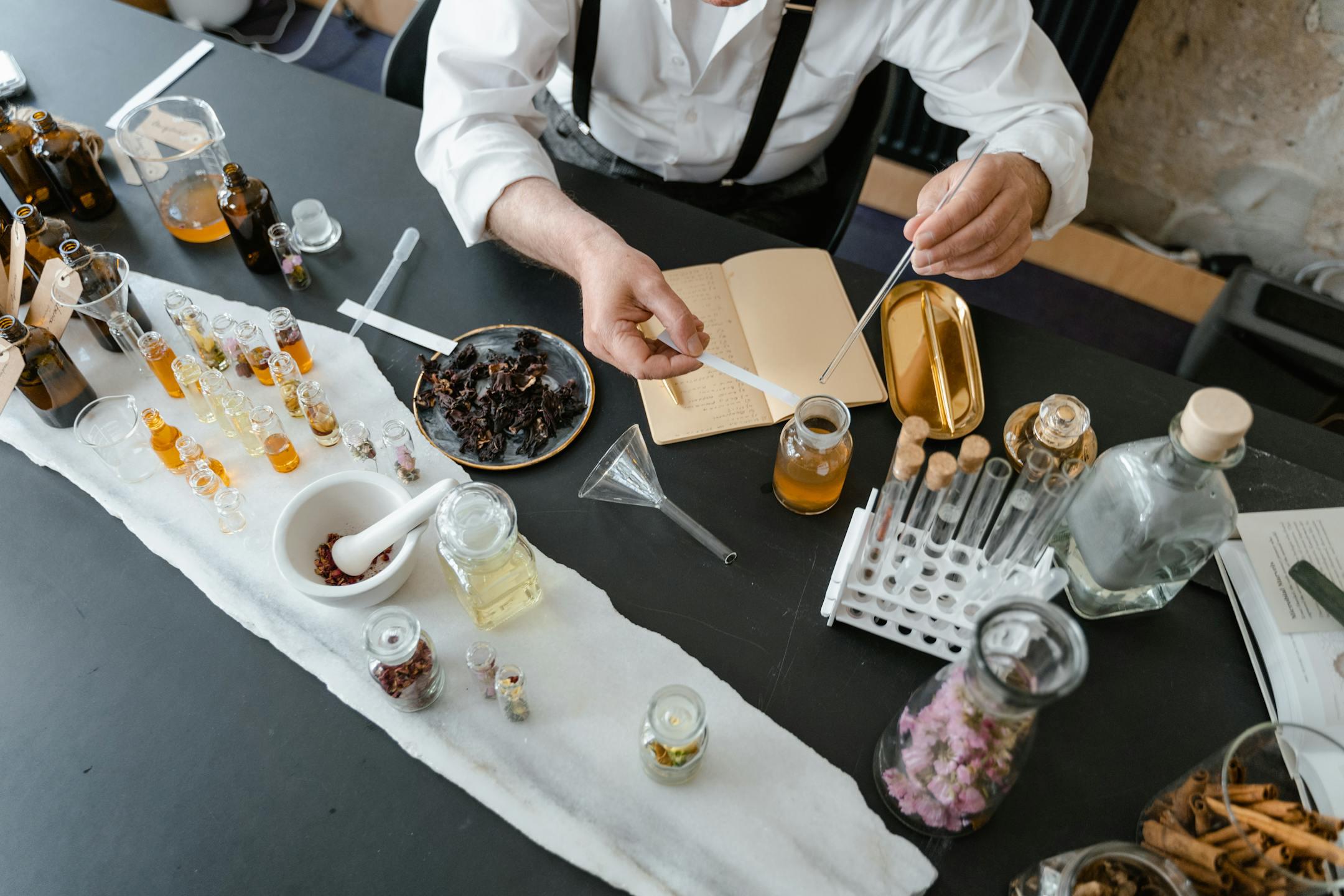
Let’s explore the chemistry behind essential oils, how they affect the brain and body, and why they play a vital role in stress relief, mood enhancement, and wellness.
How Essential Oils Work: The Chemistry Behind Aromatherapy
Essential oils contain bioactive compounds, which interact with the brain and body when inhaled or applied topically. These compounds include:
✔ Terpenes – Influence mood, relaxation, and cognitive function.
✔ Esters – Found in lavender, promote calm and reduce inflammation.
✔ Phenols – Antioxidants that support immune health.
When inhaled, these compounds stimulate olfactory receptors in the nose, sending signals directly to the limbic system—the brain’s center for emotion, memory, and stress regulation.
How Essential Oils Affect the Brain
1. Essential Oils & the Limbic System
The limbic system processes emotions, memories, and mood regulation. Because scent directly interacts with this part of the brain, essential oils can trigger emotional responses—helping reduce anxiety, enhance relaxation, or even boost focus.
✔ Lavender & Chamomile – Lower cortisol levels, reducing stress.
✔ Peppermint & Rosemary – Boost alertness and cognitive function.
✔ Citrus Oils (Orange, Lemon, Bergamot) – Stimulate dopamine, improving mood.
2. Essential Oils & Neurotransmitters
Scientific studies show that certain essential oils stimulate neurotransmitters like serotonin and dopamine, promoting feelings of happiness, relaxation, and mental clarity.
Example: A study found that inhaling bergamot oil can increase serotonin production, leading to reduced stress and increased positivity.
How Essential Oils Affect the Body
1. Stress & Cortisol Reduction
High levels of cortisol (the stress hormone) can lead to anxiety, fatigue, and poor sleep. Essential oils like lavender, frankincense, and sandalwood have been shown to reduce cortisol and promote relaxation.
2. Anti-Inflammatory & Immune Support
Many essential oils have antimicrobial and anti-inflammatory properties, strengthening the immune system and reducing inflammation.
✔ Tea Tree & Eucalyptus – Fight bacteria and viruses.
✔ Frankincense & Turmeric Oil – Reduce inflammation and support cellular health.
3. Improved Sleep & Relaxation
Essential oils influence melatonin production, helping regulate sleep cycles. Lavender and chamomile are widely used for deep relaxation and better rest.
Scientific Findings:
A study on lavender oil found that inhaling it before bed improved sleep quality and reduced insomnia in participants.
How to Use Essential Oils for Brain & Body Benefits
Diffusion (Aromatherapy)
- Add a few drops to an essential oil diffuser.
- Breathe deeply to activate mood-enhancing and stress-reducing effects.
Topical Application (Dilution Required)
- Mix essential oils with a carrier oil (coconut, jojoba, etc.).
- Apply to pulse points (wrists, temples, behind ears) for relaxation and focus.
Bath & Skincare
- Add 5-10 drops to warm bathwater for full-body relaxation.
- Blend with skincare products for antioxidant and anti-inflammatory benefits.
Final Thoughts: The Science Behind Essential Oils & Wellness
Essential oils are more than just pleasant scents—they activate brain pathways, regulate stress hormones, and promote physical healing. Whether used for emotional balance, cognitive function, or immune support, science confirms their powerful effects on the brain and body.
💡 Want to explore essential oils tailored to your needs? Fill out our contact form for personalized recommendations!