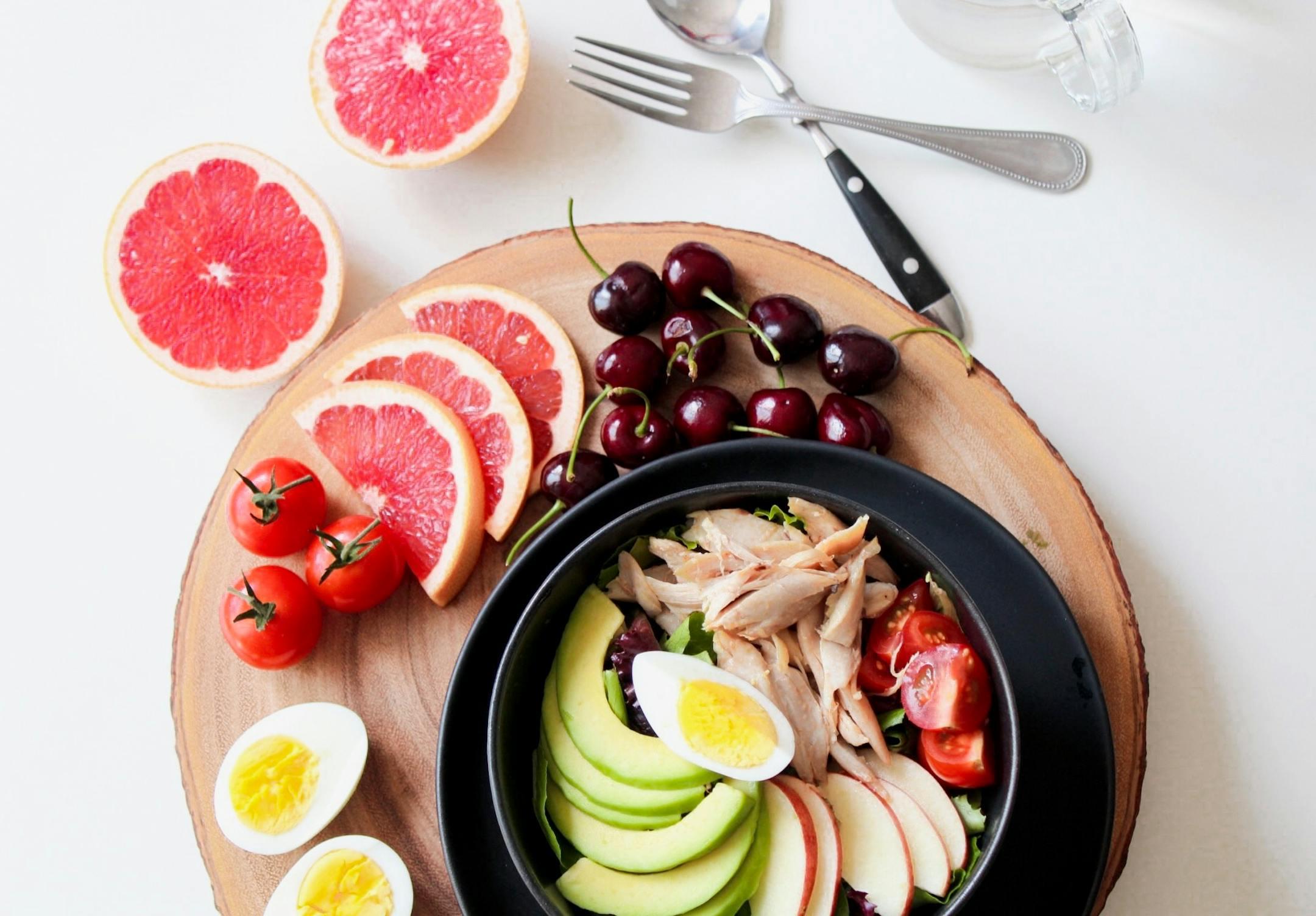
Let’s break down digestion scientifically, exploring the estimated time for various food types and how combinations influence metabolism.
1. Water (5 minutes)
💧 How It Works: Water requires no digestion—it is absorbed directly into the bloodstream through the stomach and small intestine.
💡 Best Practice: Drinking water before meals aids digestion by activating enzymes and stomach acid.
2. Fruits (20-40 minutes)
🍉 Estimated Digestion Time:
✅ Watermelon – ~20 minutes
✅ Grapes – ~30 minutes
✅ Apples – ~40 minutes
🍎 Why? Fruits are high in simple carbohydrates and fiber, allowing for rapid breakdown. Their water content aids absorption and hydration.
💡 Best Practice: Eat fruits alone or before meals to prevent fermentation in the stomach.
3. Vegetables & Starches (50-60 minutes)
🥕 Estimated Digestion Time:
✅ Carrots – ~50 minutes
✅ Potatoes – ~60 minutes
🥦 Why? These foods contain fiber and complex carbohydrates, requiring more enzymatic breakdown compared to fruits.
💡 Best Practice: Pair veggies with healthy fats or proteins to slow digestion and increase nutrient absorption.
4. Nuts & Seeds (2-6 hours)
🌰 Estimated Digestion Time:
✅ Almonds, Walnuts, Cashews – ~2-6 hours
🥜 Why? Nuts are dense in protein, fiber, and fats, slowing digestion due to their complex structure and lipid content.
💡 Best Practice: Soaking nuts improves digestion by reducing phytic acid, an anti-nutrient that can block mineral absorption.
5. Animal Proteins (2-4 hours)
🍗 Estimated Digestion Time:
✅ Chicken – ~2-3 hours
✅ Beef – ~3-4 hours
🥩 Why? Proteins require extensive enzymatic digestion, starting in the stomach with pepsin and hydrochloric acid, then breaking down further with proteases in the small intestine. Beef takes longer due to higher connective tissue and fat content.
💡 Best Practice: Combine proteins with fiber-rich vegetables for smoother digestion and gut health.
6. Eggs (30 minutes)
🥚 Estimated Digestion Time: ~30 minutes
🌟 Why? Despite being a protein source, eggs digest faster because they have a simpler structure and lack dense connective tissues.
💡 Best Practice: Hard-boiled eggs digest slower than scrambled, due to cooking method affecting protein structure.
How Macronutrient Combinations Affect Digestion
- Pairing proteins with complex carbs (like chicken & quinoa) extends digestion time, promoting sustained energy.
- Eating fiber-rich foods with fats (like avocado & nuts) slows absorption, increasing fullness.
- Simple carbs digest fastest, which is why sugary snacks cause blood sugar spikes followed by crashes.
Optimizing Digestion for Better Health
Understanding digestion time helps improve meal timing, nutrient absorption, and energy release, especially in clinical nutrition and sports performance.
✅ Eat protein-rich meals earlier in the day for sustained energy.
✅ Avoid combining excessive simple carbs with fats, as it slows digestion and may lead to sluggishness.
✅ Hydrate properly, but avoid drinking too much water during meals, as it can dilute stomach acid.
💡 Final Tip: Listen to your body—if certain foods cause bloating or discomfort, adjusting combinations can improve digestion.