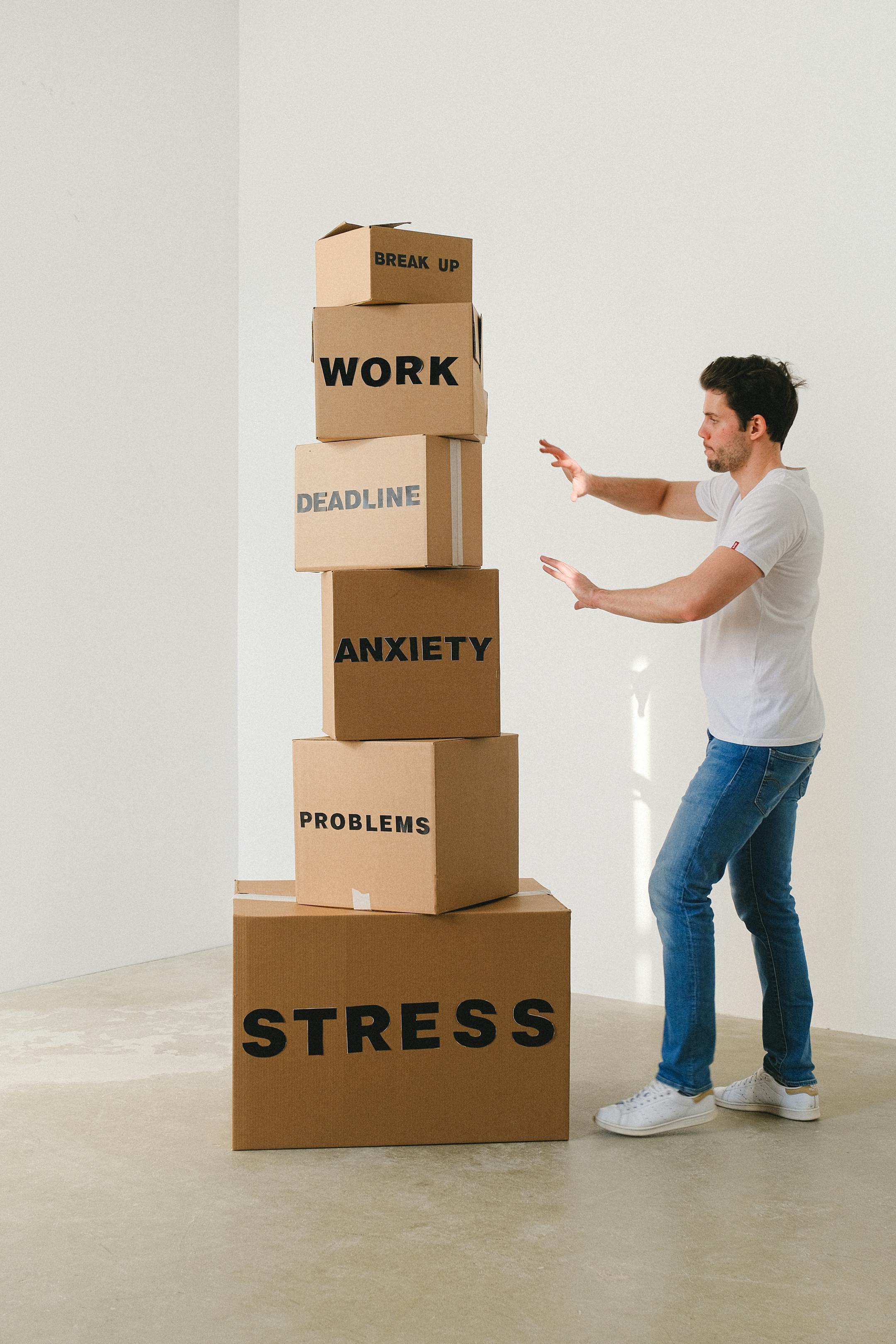
If stress is affecting your focus, productivity, or overall well-being, it's time to incorporate actionable strategies to help you navigate workplace pressure without burnout.
Understanding Workplace Stress
Work-related stress often comes from:
❌ Heavy workloads & tight deadlines
❌ Unclear expectations & workplace conflicts
❌ Long hours & lack of work-life balance
❌ Perfectionism & fear of failure
When stress becomes chronic, it can lead to mental fatigue, anxiety, decreased performance, and even health issues. The key is learning how to manage stress before it takes a toll.
Actionable Strategies to Stay Calm Under Pressure
1. Prioritize & Manage Your Time Effectively
Why It Works: Overwhelm often comes from poor time management rather than workload itself.
✔ Break large tasks into smaller, manageable steps.
✔ Use the Eisenhower Matrix (urgent vs. important) to prioritize effectively.
✔ Set realistic deadlines and avoid overcommitting.
✔ Time-block your day to focus on high-value tasks first.
💡 Try This: Start each day by listing 3 priority tasks instead of a long overwhelming to-do list.
2. Set Boundaries to Reduce Overwhelm
Why It Works: Without clear boundaries, workplace stress can spill into every aspect of life.
✔ Say no to excessive work demands when needed.
✔ Avoid checking emails after work hours to maintain work-life balance.
✔ Communicate your limits clearly and professionally.
💡 Try This: If a colleague asks for something outside your capacity, respond with: "I’d love to help, but I’m currently focused on [priority task]. Let’s revisit this when I have more availability."
3. Use Breathing Techniques to Reset Stress Levels
Why It Works: Controlled breathing activates the parasympathetic nervous system, lowering stress levels instantly.
✔ Box Breathing – Inhale for 4 seconds, hold for 4 seconds, exhale for 4 seconds, hold for 4 seconds.
✔ 4-7-8 Breathing – Inhale for 4 seconds, hold for 7 seconds, exhale for 8 seconds (great for anxiety).
✔ Diaphragmatic Breathing – Breathe deeply into your belly instead of shallow chest breathing.
💡 Try This: Take 60 seconds between tasks to breathe deeply and reset your focus.
4. Stay Organized to Reduce Mental Clutter
Why It Works: A cluttered workspace leads to mental exhaustion and reduced efficiency.
✔ Keep your workspace minimal and distraction-free.
✔ Use digital tools (Notion, Trello, Asana) to stay organized.
✔ Prepare for meetings and projects in advance to avoid last-minute stress.
💡 Try This: Clean your desk at the end of each workday to start fresh the next morning.
5. Use Positive Affirmations to Build Resilience
Why It Works: Affirmations rewire your brain to handle stress more effectively.
✔ "I stay calm and focused under pressure."
✔ "I handle challenges with confidence and clarity."
✔ "I am in control of my energy and responses."
💡 Try This: Repeat affirmations before high-stress meetings or deadlines.
6. Lean on Stress-Relieving Essential Oils
Why It Works: Essential oils have been shown to reduce cortisol levels, promoting relaxation and focus.
✔ Lavender – Calms anxiety and promotes relaxation.
✔ Peppermint – Refreshes and boosts concentration.
✔ Lemon Balm – Helps lower stress levels and improve mood.
💡 Try This: Keep a roller blend with lavender and peppermint at your desk for on-the-go stress relief.
Final Thoughts: Control Stress Before It Controls You
Workplace stress doesn’t have to define your day. By prioritizing time management, setting boundaries, practicing deep breathing, and using mindfulness techniques, you can navigate pressure with confidence and clarity—without sacrificing your well-being.
💡 Ready to implement stress-management strategies? Fill out our contact form for personalized guidance!